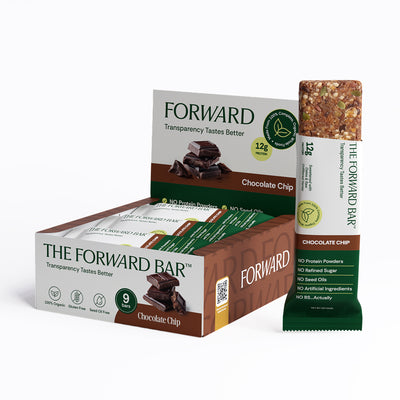
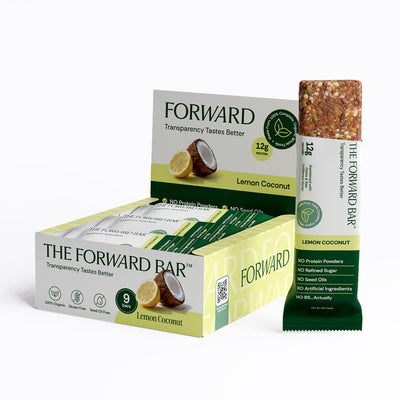
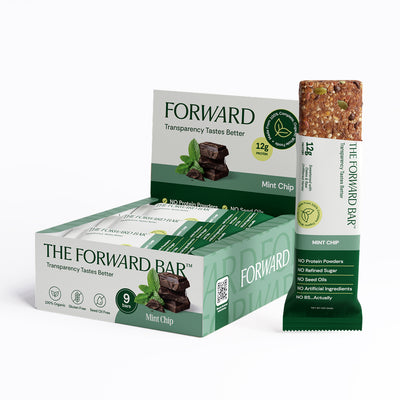
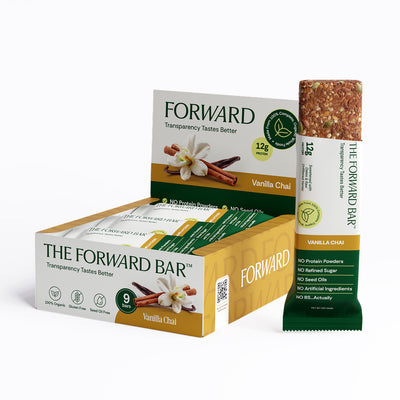


Honey is where clean-label brands tend to get carried away, so let us be direct about what raw honey is and is not.
“Raw” means the honey has not been pasteurized or fine-filtered. That preserves pollen, some enzymes and the polyphenol content that heat and filtration reduce. It is a real difference, and it is a modest one.
It is also still sugar. And there is one safety point that belongs on any honest honey page, which we have put in a callout below rather than buried.
What “raw and unfiltered” actually means
Commercial honey is typically heated to slow crystallisation and filtered to make it clear and pourable. Both steps reduce the pollen content and can degrade heat-sensitive enzymes and some polyphenols.
Raw, unfiltered honey skips both. What you get is honey that may crystallise, may look cloudy, and retains more of what was in the hive. We accept the cosmetic trade-off.
Why we use it alongside dates
Dates do most of the sweetening. Honey does something dates cannot: it rounds the flavor and contributes to texture and shelf stability without a preservative.
Honey is hygroscopic — it holds moisture — which helps a bar with this much seed content stay soft rather than drying out. That is why the bar is shelf-stable without chemical preservatives.
What we won't claim
You will see raw honey credited with a long list of health benefits. The evidence base is uneven, and much of it involves specific honey varieties, medical-grade preparations or doses well beyond what appears in a snack bar.
So we will say: raw honey retains compounds that processed honey loses, and it works well in this recipe. We will not tell you it treats anything. The quantity in one bar is a sweetener, not a therapy.
Raw, Unfiltered Honey: common questions
Is raw honey the same as unfiltered honey?
Unfiltered honey is not necessarily raw unless indicated by the product label. "Raw" refers to lack of heat, while "unfiltered" means it retains microscopic pollen and propolis. The honey used in The Forward Bar is both raw and unfiltered.
Is raw honey better than regular honey?
Raw, unfiltered honey retains more pollen, enzymes and polyphenols than honey that has been heated and fine-filtered. Whether that difference is meaningful at the quantity found in one snack bar is not something we would claim either way.
Can babies eat products containing honey?
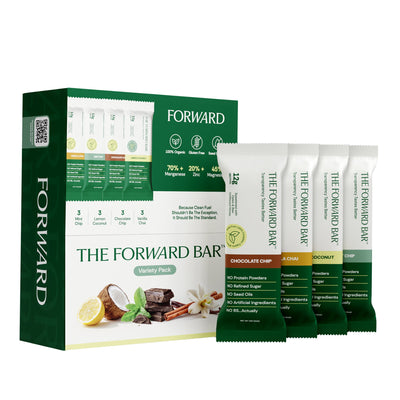
No. Public health guidance advises against honey in any form for infants under 12 months because of the risk of infant botulism. The Forward Bar contains honey.
Is honey better than refined sugar?
Honey arrives with trace minerals and polyphenols that refined sugar does not have. Metabolically it is still a sugar, and it should be counted as one. We use it in small amounts as a flavor and texture ingredient, not as a health claim.
Sources
Every nutrient statement on this page is supported by one of the following. We cite institutional and peer-reviewed sources only.
- USDA FoodData Central U.S. Department of Agriculture Reference composition data for whole foods
- About Botulism Centers for Disease Control and Prevention Infant botulism and honey guidance
- The Nutrition Source Harvard T.H. Chan School of Public Health Evidence reviews on nuts, seeds, fats and fiber
- Daily Value on the Nutrition and Supplement Facts labels U.S. Food and Drug Administration How %DV is defined and calculated
Links last checked 2026-07-31. Nutrient amounts for The Forward Bar come from our own product testing and appear on the pack and on each product page.


