

A meal replacement bar is built to stand in for a meal. It needs enough calories, protein, fiber and fat to keep you full for several hours. A snack bar is built to bridge the gap between meals or fuel a workout, so it is smaller and lighter.
The label gives it away: look at calories first, then protein and fiber. This guide gives you the thresholds dietitians use, a 30-second label check, and an honest look at where our own bar fits.
The Quick Comparison
The two kinds of bar do different jobs, and the nutrition panel reflects it.
| Meal replacement bar | Snack bar | |
|---|---|---|
| Job | Stand in for a meal | Bridge between meals, pre-workout |
| Calories | Roughly 200 to 400, and closer to 300+ to hold you over | Roughly 150 to 300 |
| Protein | About 10 to 20g | Varies, often 5 to 15g |
| Fiber | At least 3 to 5g | Often 2 to 5g |
| Sugar | 10 to 15g or less is a common guideline | Lower is better |
| Best for | Missed meals, travel, busy mornings | Afternoon slump, between meals, before exercise |
Thresholds above follow guidance published by Verywell Fit and the registered dietitians it consulted: at least 200 calories and around 10g of protein, 3 to 5g of fiber, and a note that bars under 300 calories often need a pairing such as fruit, nuts or yogurt to work as a meal. Source: Verywell Fit, best meal replacement bars.
How to Check a Bar in 30 Seconds

- Calories. Under about 200 is a snack. Between 200 and 300 can work as a light meal only with something added. Above 300 is closer to a meal.
- Protein. About 10g is a floor for a meal bar. More protein is not automatically better, because the source matters (see our guide to the healthiest protein bars).
- Fiber. At least 3 to 5g helps you stay full.
- Sugar and sweeteners. Check where the sweetness comes from. Sugar alcohols can cause bloating (more in our guide to protein bars that don't cause bloating).
- Ingredients. Whole foods you recognize beat a long list of isolates and premixes.
Which One Do You Need?
- Skipped breakfast and need something you can eat on the go: a meal replacement bar of 300+ calories, or a snack bar paired with fruit or yogurt.
- Afternoon slump: a snack bar.
- Before a workout: a snack bar eaten 30 to 60 minutes before.
- Travel day: either, depending on how long until your next real meal.
Where The Forward Bar Fits

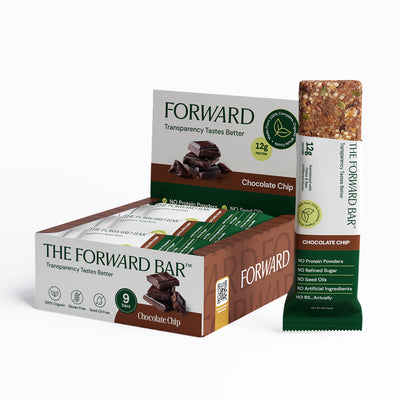
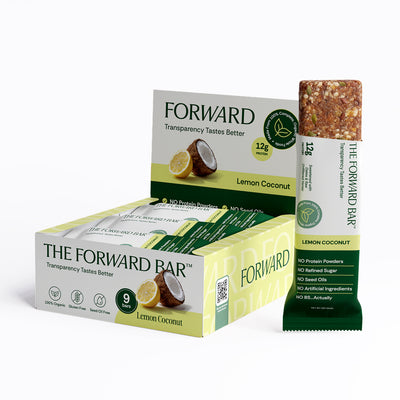
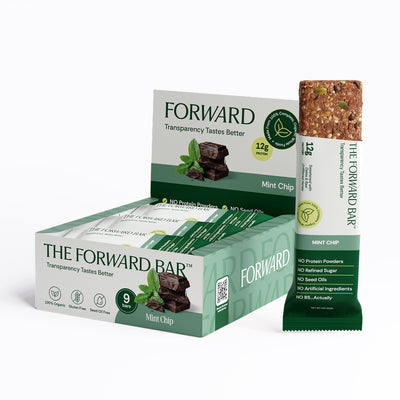
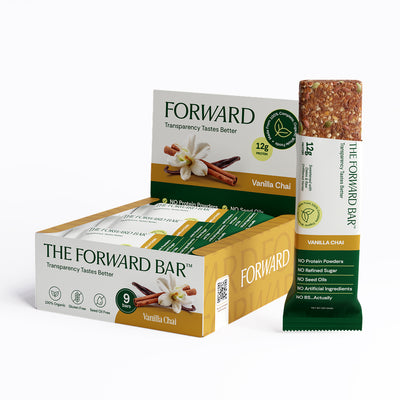
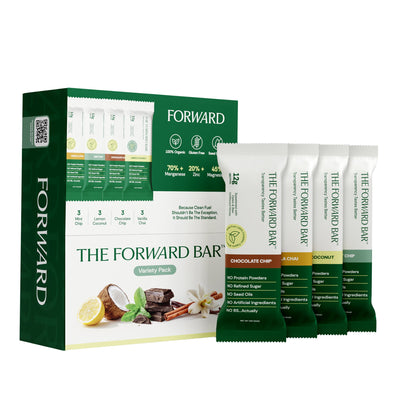
The Forward Bar is a whole-food snack bar. It is not marketed as a meal replacement.
- 260 to 280 calories, from whole nuts and seeds
- 12g of plant protein with all 9 essential amino acids, from pumpkin seeds, hemp and almonds, with no protein powder or isolates
- 4g of fiber
- 45% DV magnesium and 25+ vitamins and minerals from the food itself
- 2g added sugar, no sugar alcohols, no seed oils
- USDA Certified Organic
On the thresholds above, it lands in the range where a bar works well as a filling snack, and as a light breakfast when paired with Greek yogurt or fruit. If you want a bar to replace a full meal on its own, a bar built for that job (usually 300+ calories) is the better pick. If you want food-based protein and fiber between meals, this is what it is designed for.
It is also not a low-calorie diet bar and not a full multivitamin. It is light on vitamin D, B12, calcium and iodine. See the FAQ for more on what is in it.
Whole-Food Snack Bars
Shop The Forward Bar


Frequently Asked Questions
Can a protein bar replace a meal?
Sometimes. Most protein bars have 15 to 20g of protein, but many lack the calories and fiber of a meal. If a bar has under 300 calories or under 3 to 5g of fiber, pair it with fruit, nuts or yogurt.
How many calories should a meal replacement bar have?
Dietitian guidance generally points to about 200 to 400 calories, with bars under 300 usually needing an add-on to keep you full.
What is the difference between a protein bar and a meal replacement bar?
A protein bar is typically designed as a snack or post-workout option. A meal replacement bar is designed to supply enough calories, protein, fiber and fat to hold you over until the next meal.
Is The Forward Bar a meal replacement?
No. It is a whole-food snack with 12g of plant protein (all 9 essential amino acids) and 4g of fiber. Many people pair it with yogurt or fruit for a light breakfast.
Which is healthier, a meal bar or a snack bar?
Neither category decides it. Ingredient quality does: real-food protein, whole-food sweetening, no sugar alcohols, and nutrients from the ingredients themselves.


