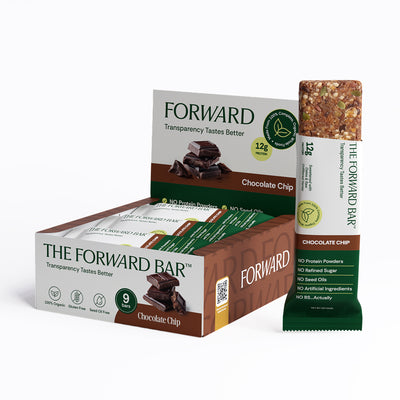
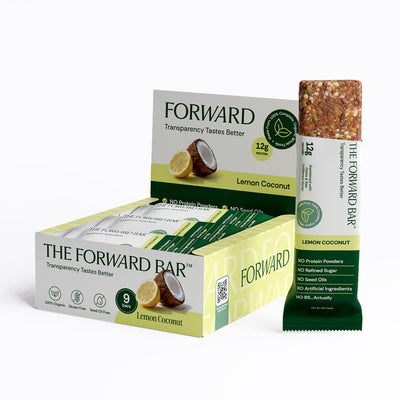
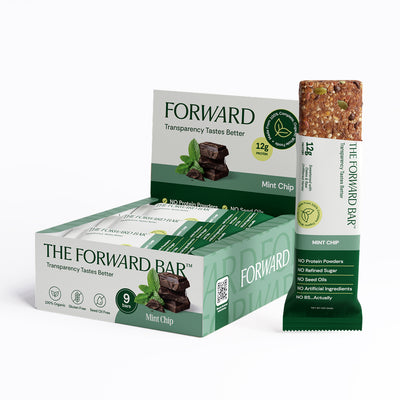
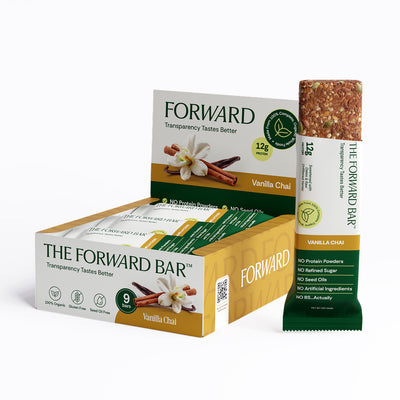
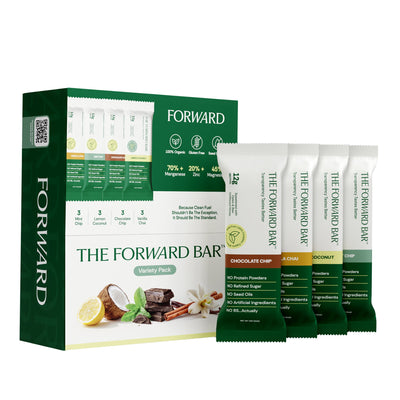


Protein bars are marketed as the ultimate convenience food.
They promise energy. Focus. Recovery. Fuel on the go.
But if you’ve ever eaten a protein bar and felt energized for thirty minutes, only to crash later, you’re not alone.
The reality is that many protein bars are engineered for taste and shelf stability, not for sustained metabolic energy.
At The Forward Bar, we believe snacks should support steady energy, not short-lived spikes followed by fatigue.
So why do most protein bars cause energy crashes?
The answer lies in processing, ingredient structure, and carbohydrate absorption.
The Blood Sugar Rollercoaster Effect
One of the primary reasons protein bars cause crashes is rapid blood sugar fluctuation.
Many conventional protein bars contain:
- Refined sugars
- Syrups
- Maltodextrin
- Highly processed starches
- Artificial or natural flavor blends
These ingredients digest quickly.
When consumed, they can cause a rapid rise in blood glucose followed by an equally rapid insulin response.
The body releases insulin to manage the sugar surge, which can sometimes lead to a sharp drop in blood sugar afterward, commonly experienced as fatigue, brain fog, or hunger.
This cycle is often called the energy spike-and-crash pattern.
The problem isn’t carbohydrates themselves.
It’s fast-absorbing, refined carbohydrates without structural balance from fiber, fat, and intact food matrices.
Protein Alone Does Not Stabilize Energy
Protein is important for muscle repair, hormone function, and satiety.
But protein alone does not guarantee stable energy.
Many protein bars rely on protein isolates combined with refined binders and sweeteners.
While protein may be present in high numbers, the overall food structure may still digest quickly.
True energy stability comes from macronutrient balance:
- Protein
- Fiber
- Healthy fats
- Slowly absorbed carbohydrates from whole foods
When these components are present together, digestion slows and energy release becomes more gradual.
At The Forward Bar, protein comes from whole seeds rather than isolated powders. This means protein is delivered alongside fiber and natural fats, supporting more sustained metabolic function.
The Role of Ultra-Processing
Ultra-processed protein bars are designed for manufacturing efficiency.
They often include:
- Protein isolates
- Emulsifiers
- Artificial or “natural” flavors
- Refined seed oils
- Stabilizers and preservatives
These ingredients help maintain texture and extend shelf life, but they also change how the body processes the food.
Highly processed foods tend to be digested more quickly because natural structural barriers have been removed.
When food structure is simplified, absorption speeds up, which can contribute to rapid energy fluctuations.
The goal should not be faster digestion.
The goal should be controlled, sustained energy availability.
Hidden Sugar Sources
Not all sugar appears as “sugar” on ingredient labels.
Protein bars often contain multiple sweeteners disguised under different names, such as:
- Brown rice syrup
- Tapioca syrup
- Maltodextrin
- Agave concentrate
- Cane juice solids
Even if each sweetener appears lower on the ingredient list, their combined effect can still create a high glycemic load.
This is one of the reasons consumers sometimes experience post-snack fatigue.
At The Forward Bar, sweetness comes from organic dates and organic raw unfiltered honey.
These are whole-food sweeteners that contain fiber and natural nutrient compounds that slow absorption.
Why Fats Matter for Energy Stability
Fat is often misunderstood in snack design.
Many protein bars remove fat or replace it with refined oils because fat can affect shelf life and texture.
But fat plays an important role in energy metabolism.
Healthy fats slow gastric emptying, meaning food leaves the stomach more gradually. This results in slower glucose absorption and more stable energy release.
The problem is that many protein bars rely on industrial seed oils, which are highly processed and often used primarily for manufacturing convenience rather than nutritional function.
We avoid seed oils entirely.
The Psychological Trap of “Healthy” Snacks
One of the biggest challenges in modern nutrition is the marketing of ultra-processed snacks as functional foods.
A high-protein cookie or waffle may feel healthier than its traditional counterpart, but the structural composition may still resemble processed dessert food.
Protein numbers can create a false sense of security.
Consumers may eat these snacks expecting sustained energy, only to experience hunger or fatigue shortly afterward.
The solution isn’t more protein.
It’s better ingredient architecture.
Whole Food Protein vs Engineered Energy
Energy from whole foods behaves differently in the body.
Whole food protein sources provide:
- Gradual digestion
- Complementary micronutrients
- Fiber-mediated absorption
- Natural satiety signals
Instead of forcing the body to process isolated nutrients quickly, whole foods support biological rhythms of metabolism.
The Forward Bar was built around this philosophy.
Our protein comes from seeds. Our sweetness comes from organic fruit and honey. Our structure comes from food itself, not industrial additives.
The Forward Approach to Energy
We believe a good snack should do more than satisfy hunger.
It should support:
- Stable mental clarity
- Consistent physical energy
- Reduced craving cycles
- Balanced metabolic response
That’s why we avoid:
- Protein powders
- Natural flavors
- Refined sugar
- Seed oils
- Ultra-processed binders
Real food doesn’t need engineering to work.
The Simple Question to Ask
Before eating any protein bar, ask:
Will this give me energy for the next few hours… or just the next 20 minutes?
If a snack causes rapid satiety followed by fatigue, it may be optimized for taste and marketing rather than metabolic sustainability.
Forward means choosing ingredients that support long-term energy instead of short-term spikes.
Closing Remarks
Protein bars were originally created as convenient nutrition solutions.
But many modern versions have evolved into highly processed products disguised as health food.
Not all protein bars are equal.
Some are built for manufacturing efficiency.
Others are built for human biology.
At The Forward Bar, we chose the second path.
Because real energy doesn’t come from shortcuts.
It comes from whole food.


