

Psyllium husk is a soluble fiber that can lower LDL cholesterol, relieve constipation, and help manage diarrhea. It may also ease symptoms of IBS. That summary comes from Health.com's guide to psyllium husk effects, which covers what the fiber does in your body and who should be careful with it.
What is psyllium husk?
Psyllium husk comes from the seed coat of the Plantago ovata plant. It is a soluble fiber, which means it absorbs water and forms a gel in your digestive tract. That gel is behind most of its effects, from stool regularity to cholesterol.
You will find it as a powder, capsules, and as an ingredient in foods. Some food makers use it as a natural binder, which lets a product hold together without seed oils or gums.
What happens when you take it
1. It can lower LDL cholesterol
Soluble fiber is linked to lower LDL ("bad") cholesterol. Health.com lists LDL reduction as one of psyllium's main benefits. If heart health is your goal, psyllium works best alongside a diet already rich in whole foods, not as a stand-alone fix.
2. It can relieve constipation
The gel adds bulk and softens stool, which makes it easier to pass. This is the most familiar use of psyllium.
3. It can help manage diarrhea
The same water-absorbing quality can firm up loose stool. Psyllium can help at both ends of the spectrum.
4. It may improve IBS symptoms
Because it can help with both constipation and diarrhea, psyllium is often discussed for irritable bowel syndrome. Health.com notes it may improve IBS symptoms. Responses vary, so introduce it gradually and watch how you feel.
5. It supports fullness and steady energy
Gel-forming fiber slows digestion, which can help you feel full longer and may support steadier blood sugar after eating. Fullness and blood-sugar regulation are also functions Forward Bar attributes to the psyllium in its bars.
How to take it comfortably
- Start with a small amount and increase over several days.
- Drink plenty of water with it. Fiber without enough fluid can cause bloating or make constipation worse.
- Take medications at a different time than psyllium, since fiber can affect absorption. Ask your pharmacist or doctor about timing.
- Talk to a clinician first if you have swallowing difficulty, a bowel obstruction history, diabetes, or take regular medication.
Gas and bloating are the most common early side effects, and they usually ease as your body adjusts.
Getting psyllium from food
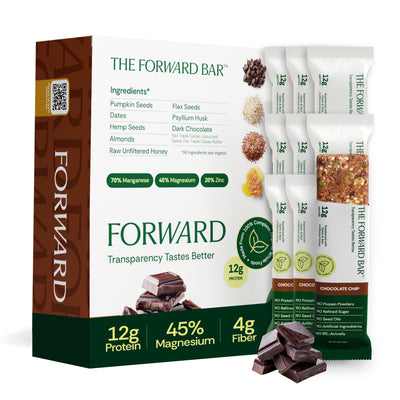
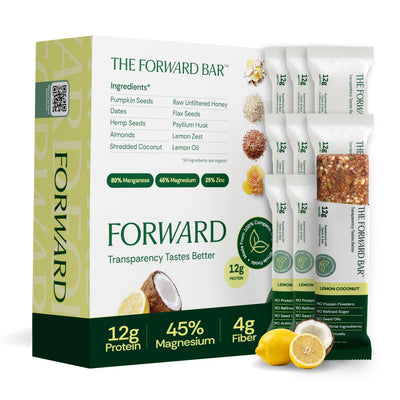
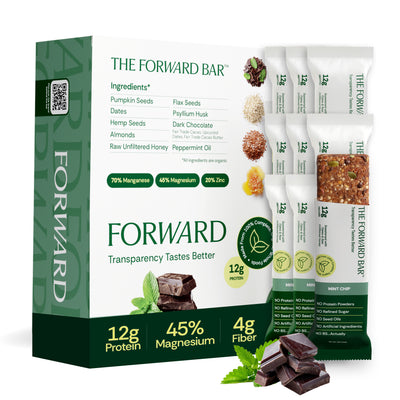
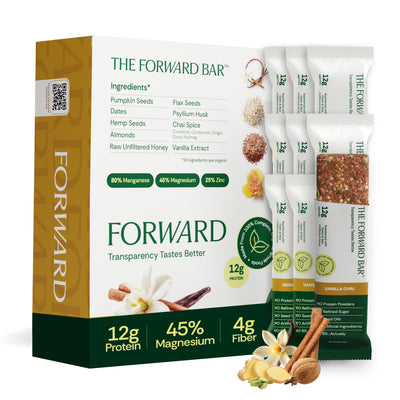
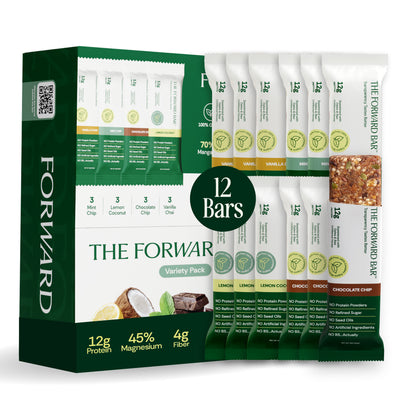
Supplements are one route. Food is another. Forward Bar uses psyllium husk as a source of soluble fiber and as a natural binder. Each bar provides 4g of whole-food fiber from psyllium husk, flax and dates, and the brand positions that fiber as supporting digestion. The bar is built from seven whole-food ingredients: pumpkin seeds, hemp seeds, dates, almonds, raw unfiltered honey, flax seeds and psyllium husk. It has a low glycemic index of approximately 35 GI.
A bar is not a replacement for a clinician's advice or for a therapeutic dose of a fiber supplement. It is an easy way to add whole-food fiber, including psyllium, to an ordinary day, such as breakfast, a desk lunch, or a travel day.
Key takeaways
- Psyllium husk is a soluble, gel-forming fiber.
- It can lower LDL cholesterol, relieve constipation, and manage diarrhea.
- It may improve IBS symptoms.
- Start low, drink water, and check with a clinician if you have health conditions or take medications.
- Whole-food sources, like seeds and psyllium-containing bars, are a simple way to get more fiber.
Source
This article is for general information and is not medical advice.


